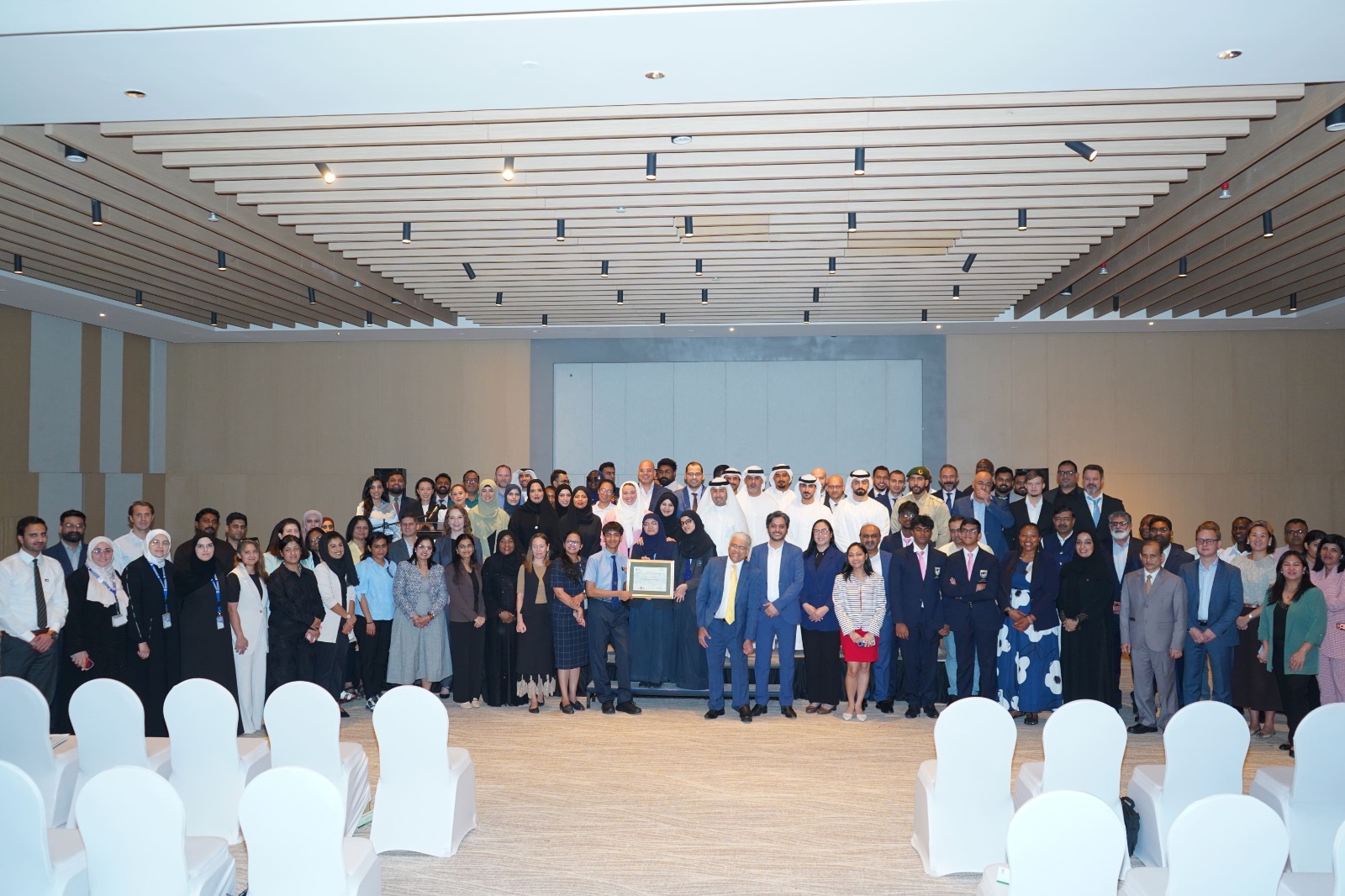
DUBAI, 28th August, 2026 (WAM) — Emirates Environmental Group (EEG), in association with the Dubai Supreme Council of Energy and the Advancing Net Zero Volunteering Team, convened its fourth panel discussion of the year under the theme “Green Infrastructure and Retrofitting: Upgrading the Built Environment for Net Zero”.
The event brought together policymakers, sustainability experts, urban planners, architects, engineers, researchers, industry leaders, educators and students to examine how upgrading existing buildings and urban infrastructure can accelerate the transition towards a low-carbon and climate-resilient future.
Discussions focused on green infrastructure, energy-efficient retrofitting, nature-based solutions, circular construction practices and emerging technologies, highlighting their role in reducing greenhouse gas emissions, improving resource efficiency and strengthening climate resilience.
Dr Habiba Al Mar’ashi, Co-Founder and Chairperson of EEG, said transforming the built environment is essential to global climate action and sustainable urban development.
Citing estimates from the World Green Building Council, she noted that nearly 80 percent of the buildings expected to exist in 2050 have already been constructed, reinforcing the importance of retrofitting existing infrastructure to reduce emissions and improve long-term resilience.
She also highlighted the environmental, social and economic benefits of green infrastructure, including supporting biodiversity, reducing urban heat island effects and strengthening climate adaptation.
Al Mar’ashi stressed the growing role of artificial intelligence and smart building systems in optimising resource use and operational performance, while noting that progress will depend on enabling policies, innovative financing, cross-sector collaboration and behavioural change.
She also highlighted the contribution of the Emirates Green Building Council in promoting sustainable construction practices, industry collaboration, knowledge exchange and capacity building across the built environment sector.
Faisal Ali Al Rashid, Senior Director – Demand Side Management (DSM) at the Dubai Supreme Council of Energy, highlighted retrofitting as a key pathway for improving the performance of the UAE’s existing building stock.
He stressed the importance of strengthening retrofit efforts nationwide to improve energy performance, optimise resource use and extend the efficiency and functionality of existing buildings.
Leo Wu, Executive Director of Vantage Foundation, Strategic Contributor to the event, said, “Environmental responsibility is not a standalone initiative; it is a long-term commitment that we are translating into practical action through trusted partnerships.”
He added that advancing sustainability requires shared leadership across business, government and civil society.
The programme began with an interschool debate titled “Is Retrofitting Existing Buildings a More Effective Climate Strategy or Building New Green Buildings?”, featuring The Westminster School, Dubai, and GEMS Modern Academy, Dubai. The Westminster School emerged as the winner.
The panel brought together representatives from the Ministry of Energy and Infrastructure, British University in Dubai, BGRE, HSBC, Dubai Municipality and Berkeley Services UAE, alongside sustainability specialists.
Panellists highlighted the role of urban forests, green roofs, permeable pavements, rainwater harvesting systems and integrated landscape design in improving urban resilience, supporting biodiversity and reducing heat island effects.
They also discussed retrofitting measures including energy-efficient systems, smart building technologies, renewable energy integration, improved insulation, efficient lighting and HVAC upgrades.
Digital solutions such as Building Information Modelling (BIM), artificial intelligence, Internet of Things (IoT), digital twins and predictive maintenance were also highlighted as tools for improving energy efficiency and building performance.
The panel stressed the importance of supportive policy frameworks, green financing, sustainable procurement, regulatory incentives and public-private partnerships in accelerating large-scale retrofitting.
Participants also highlighted circular economy principles, including resource efficiency, material reuse, waste reduction and lifecycle thinking, as key to creating healthier, more resilient and sustainable cities.
The session concluded with a Q&A covering retrofit financing, regulatory frameworks, implementation challenges, emerging technologies and stakeholder collaboration.
EEG organised the event under a Memorandum of Understanding signed last year with the Dubai Supreme Council of Energy and the Advancing Net Zero Volunteering Team to strengthen cooperation on Net Zero commitments and sustainability action
Source: Emirates News Agency